When Avowed first launched in early 2025, it arrived with a weight of expectation that only Obsidian Entertainment can generate. Now, over a year later, plenty of adventurers have stomped through the Living Lands, and the dust has truly settled. The question is no longer about launch-day jitters but about what remains. The journey into Eora is still a deeply personal one – messy, dazzling, and frustrating all at once.
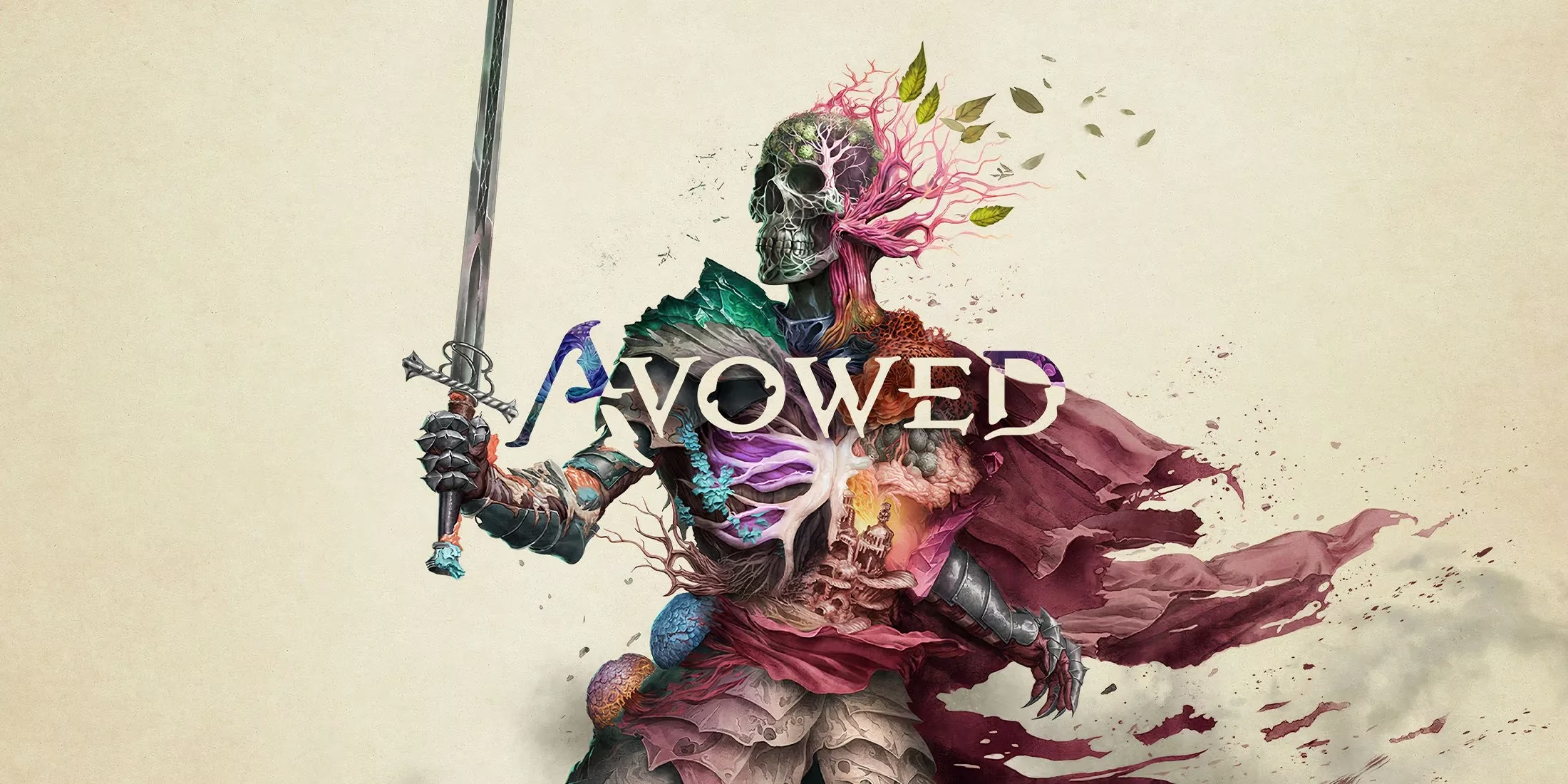
A trip into Avowed’s world is almost always front-loaded with wonder. The moment an envoy sets foot in the first region, the colors practically scream for attention. Mushrooms tower over ancient ruins, and sunlight filters through canopies like something out of a painting. That initial charm rarely wears off visually, but after a dozen hours, the exploration loop starts to whisper its secrets. Every zone follows the same blueprint: pick up side quests, hunt bounties, and stuff a backpack with crafting materials. It’s a rhythm that works, yet it lacks the organic surprise that turns a good open-zone experience into a legendary one.
The story, meanwhile, remains a slow burn that rewards patience. The Dreamscourge plague provides a grisly backdrop, but the real meat is in the political tug-of-war over the Living Lands. Obsidian leaned hard into gray morality, and it shows. A choice is rarely between good and evil; it’s more like deciding which flavor of disappointment you can stomach. Companions won’t abandon you, no matter how many times you kick their ideals in the teeth, which is both liberating and slightly weird. There’s no affinity meter to game, no secret romance to unlock by saying the right things. It makes them feel more like real people with opinions, yet also leaves the bonds feeling a little undercooked by the time the credits approach.
Speaking of endings, that’s where Avowed’s ambition truly stumbles. Regardless of the monumental decisions made over forty or fifty hours, the conclusion arrives with the force of a slideshow. A narrator solemnly reads expository text while static images flit by. It’s like being given a museum pamphlet after living through the battle itself. For a game that encourages players to own their decisions, being told about the consequences rather than feeling them is a letdown. At the very least, the lack of a New Game Plus mode in 2025 stung, though the community has long hoped for a post-launch addition. Even now, in 2026, the core game ends abruptly, dumping fancy loot on you that there’s no chance to use.
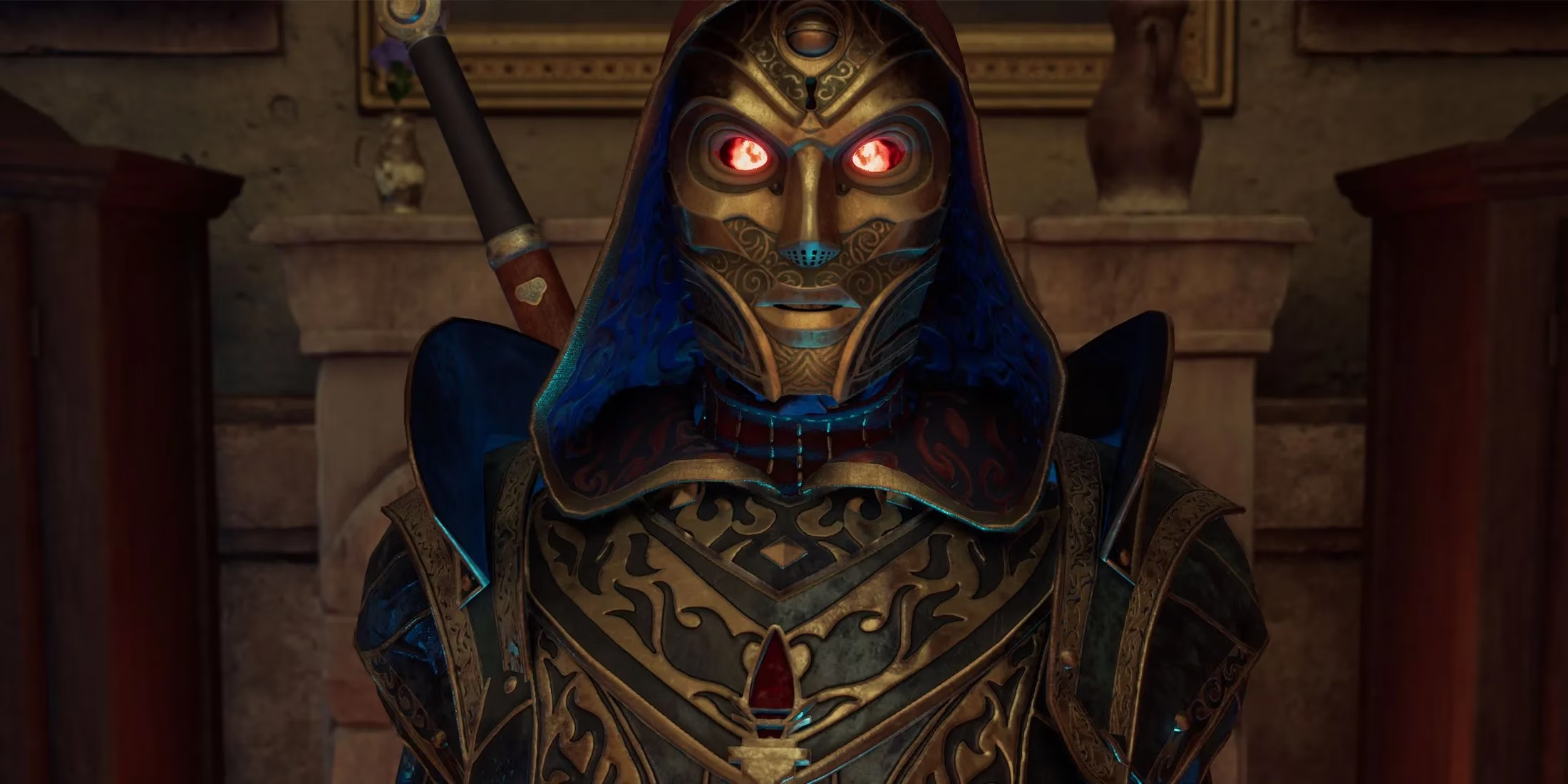
Combat, however, is where Avowed gets a chef’s kiss. It’s fast, crunchy, and refuses to let you get comfortable. Enemies swarm like hornets, and there’s a genuine thrill in swapping from a crackling pistol to a flaming sword mid-dodge. Melee has weight, magic feels gloriously chaotic, and even the arquebus packs a punch that can make a room pause. This isn’t a game where you can stick to one trick and coast. The game actively punishes over-specialization, forcing quick thinking. It’s the sort of scrappy, frantic fun that first-person RPGs often promise but rarely deliver.
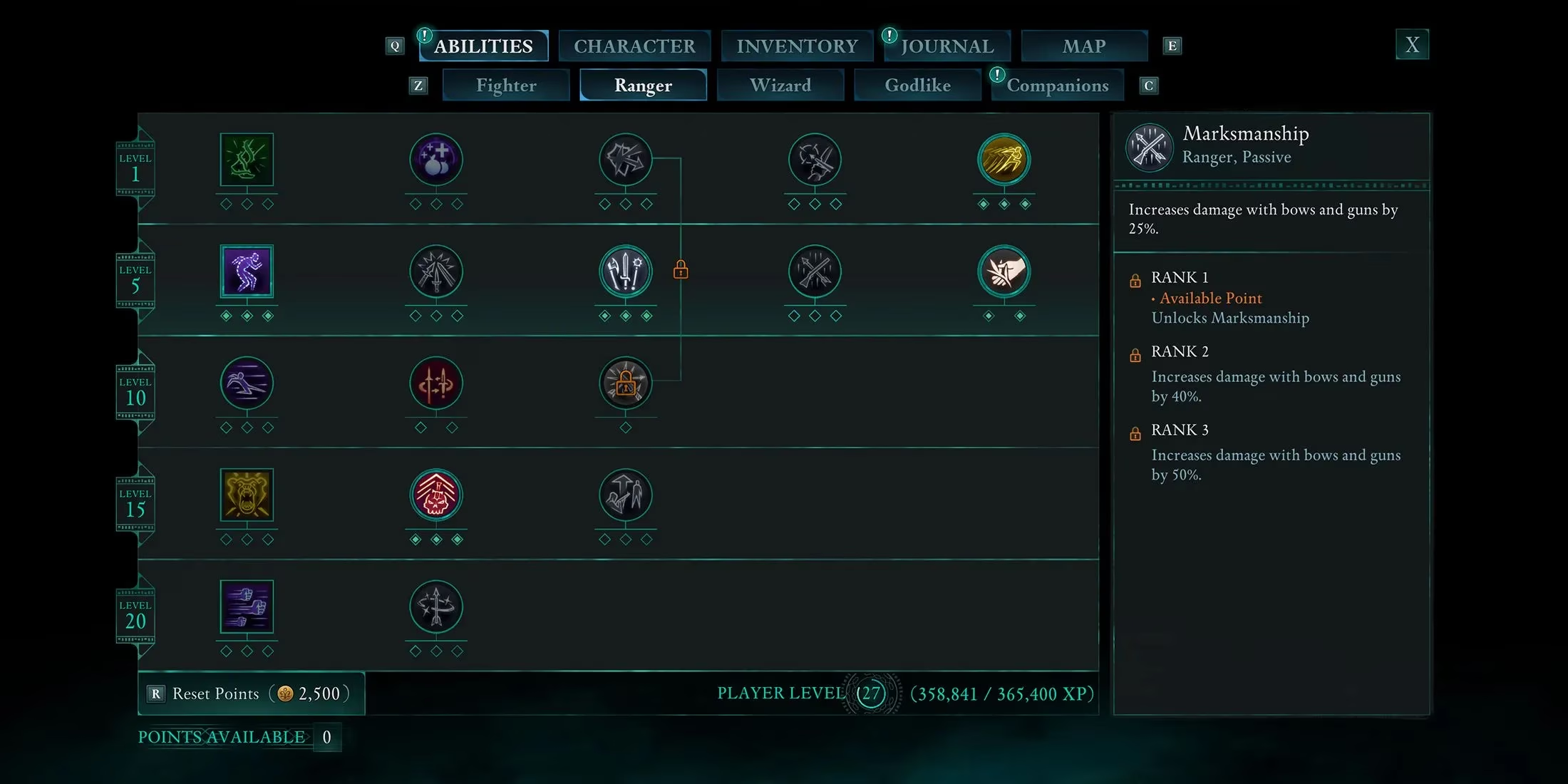
That build diversity, though, hits a wall. The skill trees look majestic – three class archetypes with no restrictions, just endless possibility. In practice, the leveling pace slows to a crawl long before you can explore even a fraction of those upgrades. With over 70 skills and multiple tiers each, the meager points you earn by the final boss (likely around 26 or 27) feel a bit like handing someone a library card and then locking all but the children’s section. You can respec, sure, but gold is precious and tied to gear upgrades. The result is a character who always feels like they could have been so much more.
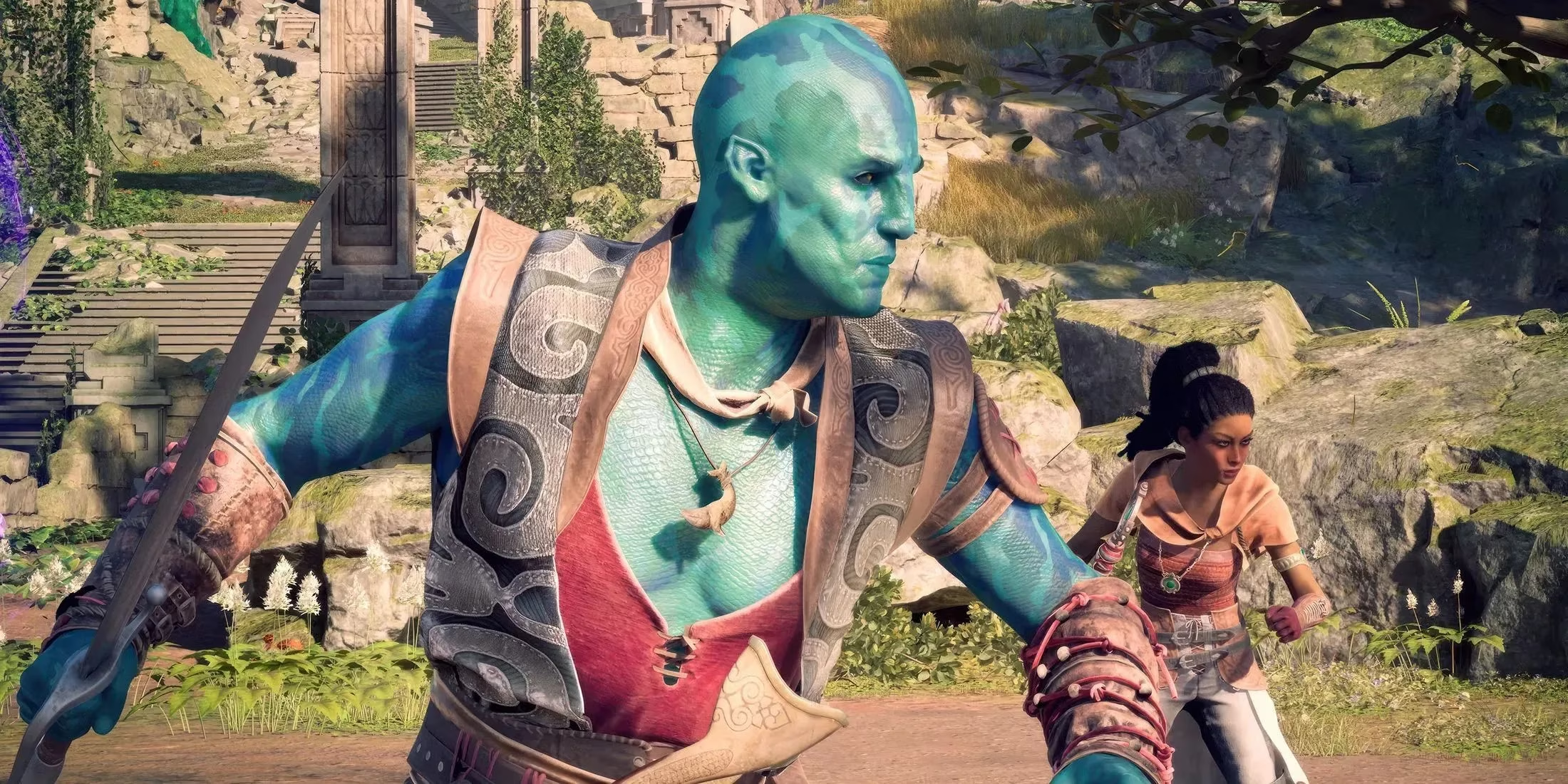
Then there’s the jank. Obsidian once said that rough edges are part of these games’ charm, and in 2026, most of the game-breaking bugs have been swept away. But the memory of teleporting enemies and quests that broke at the finish line still lingers. The parkour system, which lets you scramble onto roofs and find unintended paths, remains a double-edged sword. It’s endlessly amusing to cheese a traversal puzzle, less so when it leaves you stuck in a wall during a vital story beat.
Ultimately, a year’s distance frames Avowed as a courageous blueprint. Obsidian crafted a world bursting with personality, a choice system that respects the player’s brain, and combat that genuinely raises the bar. Yet the narrative payoff feels rushed, the companions never quite bond, and the world, for all its beauty, becomes a checklist. It’s a game that dedicated role-playing enthusiasts will defend passionately, because the core ideas are just that good. For everyone else, the journey through the Living Lands might feel like an appetizer that was promised to be a feast. Avowed deserves a sequel to truly cook those ingredients properly – it would be a shame if the recipe never gets another attempt.