⚔️ The road back to Albion has been long, winding, and unusually quiet. By 2026, the Fable reboot remains one of fantasy role-playing's most tantalizing mysteries: a beloved series revived under a new studio, announced with polished cinematic trailers, and still guarded by a release date that has not arrived. For longtime fans, the wait feels less like a simple delay and more like watching a familiar tavern light flicker in the distance. They can see it. They just cannot yet step inside.
That sense of anticipation matters, because Fable is not returning to an empty room. The fantasy RPG market is crowded with ambitious rivals, from Avowed to the long-awaited The Elder Scrolls 6, and every one of them promises vast worlds, moral choices, and combat systems built for modern tastes. Fable cannot survive on nostalgia alone. It needs an identity sharp enough to cut through the noise. And one of its simplest, most enduring advantages may be a camera angle.
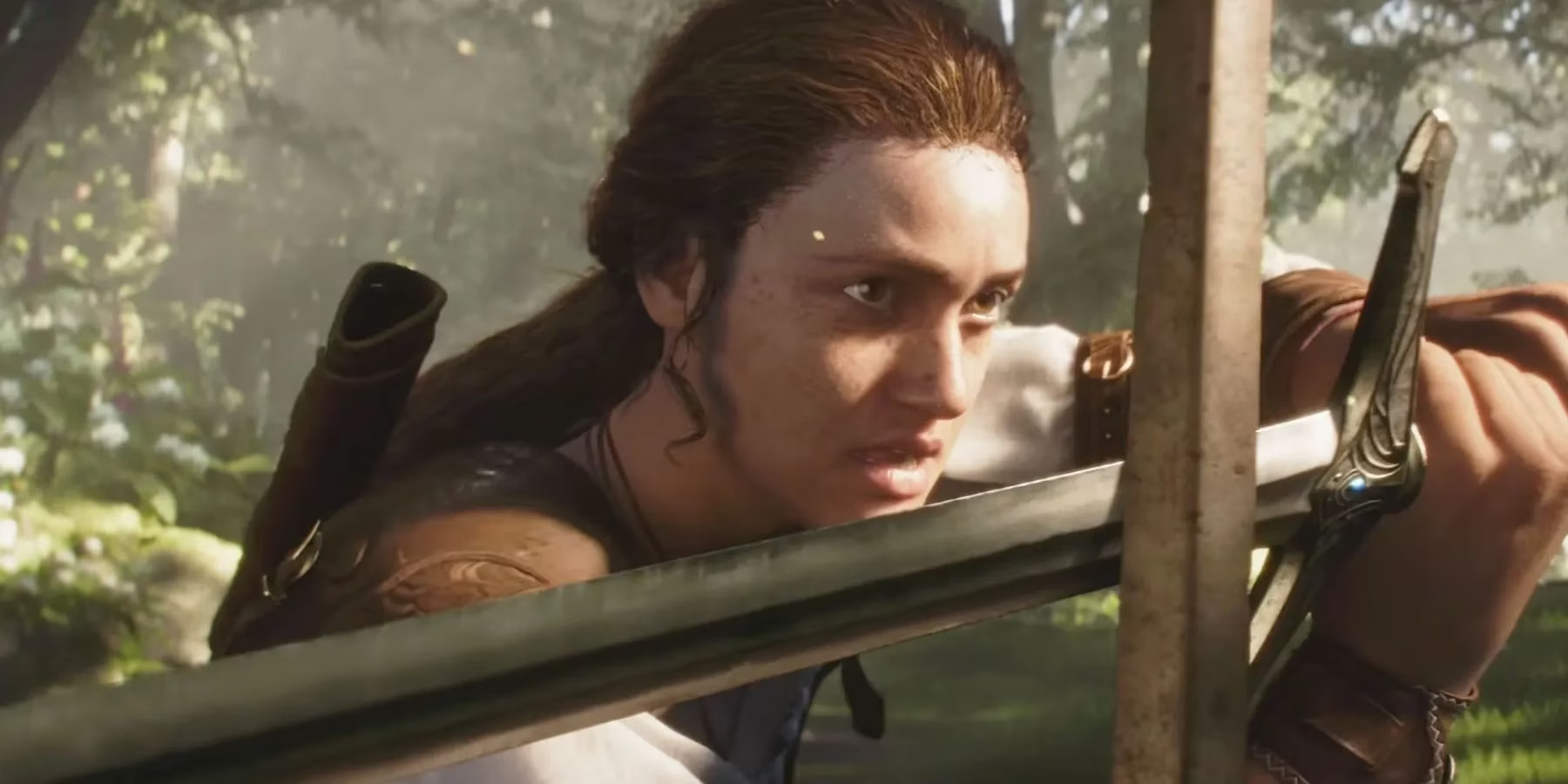
Only one Fable game has strayed from third-person perspective, and the series has otherwise kept players just behind their hero's shoulders. That choice was never merely mechanical. It shaped how Albion felt. A third-person camera made the world seem expansive, theatrical, and inviting, even when the player wandered into a goblin-infested cave or a haunted forest. The view offered a constant reminder of scale. Players could see their hero against the landscape, tiny in the face of a towering troll or comfortably swaggering through a busy town square. First-person views can be immersive, but in Fable's case they might have made the same locations feel cramped, oppressive, or too tightly framed.
There is also the matter of attachment. Fable never offered the deep character creator of a modern RPG, but it did offer enough customization to make a hero feel personal. Hairstyles, tattoos, equipment, and gradual changes in appearance all mattered because players could see those choices at all times. A new hat was not just a stat boost; it was part of the character's silhouette. A scar was not just a number; it was a story written on the hero's face. Third-person perspective turned those small cosmetic decisions into a continuous performance, with the player as both actor and audience.
If the reboot abandons that perspective, it risks losing a piece of the franchise's soul. If it keeps it, Fable gains a clear point of contrast. Avowed has presented itself as a first-person fantasy RPG, and while that approach can deliver intense immersion, it may not appeal to players who want to watch their custom character and custom loadout in motion. The Elder Scrolls 6 will likely carry its own first-person tradition, too. Fable does not need to win every comparison. It only needs to remind players why its own way of seeing Albion mattered.
The trailers released so far have done one thing well: they have preserved the series' dark humor. Both are cinematic rather than gameplay-driven, so they reveal little about combat, quests, or the camera. Yet the tone is unmistakably Fable. There is mischief in the margins, a smirk beneath the fantasy. That is reassuring, but it is not enough on its own. A new Fable must prove that it can be funny without being hollow, beautiful without being generic, and familiar without being trapped in the past.
A simple table shows why perspective could become a quiet differentiator:
| Element | Third-Person Fable | First-Person Fantasy RPG |
|---|---|---|
| World scale | Hero framed against vast landscapes | Environment pressed close to the eyes |
| Character attachment | Constant view of costume and scars | Customization mostly seen in menus |
| Exploration mood | Theatrical, adventurous, open | Immediate, intimate, sometimes tense |
| Combat readability | Strong awareness of surroundings | Strong focus on targets and impacts |
None of this means third-person is automatically superior. The Witcher 3, Dragon's Dogma, and Baldur's Gate 3 have shown how immersive a third-person RPG can be. They pull players into their worlds through animation, sound, companion banter, and smart framing. Fable can do the same. In fact, its whimsical yet dangerous world is a natural fit for a camera that lets players admire the scenery one moment and panic at the approaching monster the next.
🎮 By 2026, the reboot still has much to prove. It must satisfy veterans who remember Albion's old rhythms and newcomers who expect modern depth. It must stand beside Avowed, The Elder Scrolls 6, and a steady stream of excellent fantasy RPGs without looking like a relic. But if Fable remembers the quiet power of its third-person view, it may hold onto more than a camera angle. It may hold onto the feeling of being a hero in a storybook world, visible, customizable, and always part of the picture.