I finally walked into the Living Lands in 2026, a year after Avowed launched on February 18, 2025, and the first thing I noticed was how loudly the world refused to be grim. I had played Pillars of Eternity, but I brought a friend who had not, and the game never made him feel late to class. That matters. Obsidian built a new adventure in Eora, set a few years after Deadfire, and it lets old lore hum in the background without turning the story into homework.
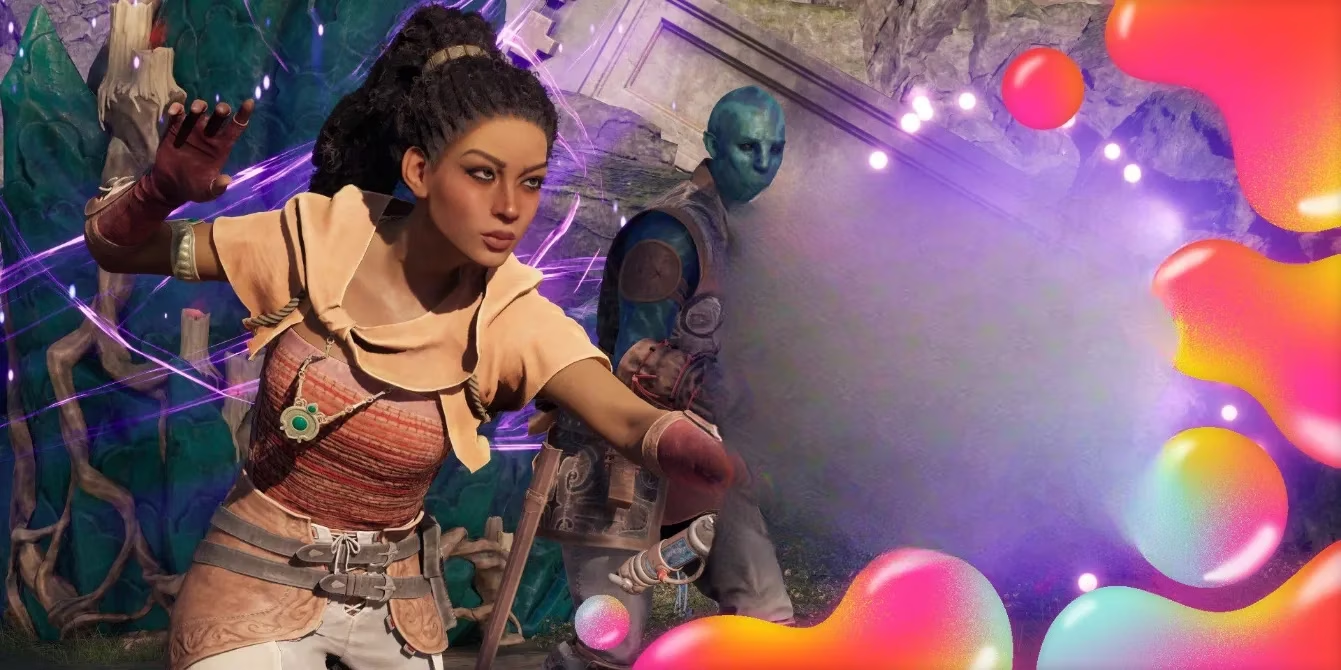
You arrive as an envoy of the Aedyran Empire, sent to investigate a mysterious plague. You are not the Watcher of Caed Nua. You are someone new, with new problems and a very small squad. I liked that shift more than I expected. The Living Lands does not just sit there and look pretty; it watches you back, and it keeps its secrets in its teeth. ...
The World Wears Its Colors Like a Dare
I remember reading interviews with game director Carrie Patel and art director Matt Hansen before launch, and their talk about color stuck with me. A lot of fantasy games go muted and grim because it feels instantly old, like history was somehow black and white. Avowed rejects that. The Living Lands is exotic and dangerous, and danger here is a poison dart frog, not a gray brick. The result is a world that flips from gloomy swamp to vibrant red desert to ashy waste, and each biome feels like a separate postcard from the same strange continent.
That contrast is the point. Humans perceive everything through contrast, and Avowed uses that to make travel feel grand. One hour I was picking through a damp ruin, and the next I was squinting at a horizon that looked like it had been painted by someone with no fear of saturation. Honestly, I was hooked.
Combat Opens Its Hands and Says: Try This
Avowed is classless, and that is the good stuff. You can mix ability trees freely, so a few points in warrior, ranger, or wizard do not lock you into a lifetime career. I started with dual pistols because I am predictable, then charged in with a knockback, then switched to a one-handed melee weapon and went to town. It felt like the combat system opened its hands and said: try this, then try that.
| Loadout idea | Why it feels good |
|---|---|
| Dual pistols + one-handed melee | Medium-range pressure, then a close-range finisher |
| Bow + wizard spells | Keep distance, punish groups, stay mobile |
| Firearms + two-handed weapon | Loud openings, heavier follow-through |
You can also save early points and invest later in the big spells you actually want. That flexibility matters because experimentation should not feel like a tax. The game wants you to define your identity through play, not through a menu choice you regret at level three.
Companions Who Push Back
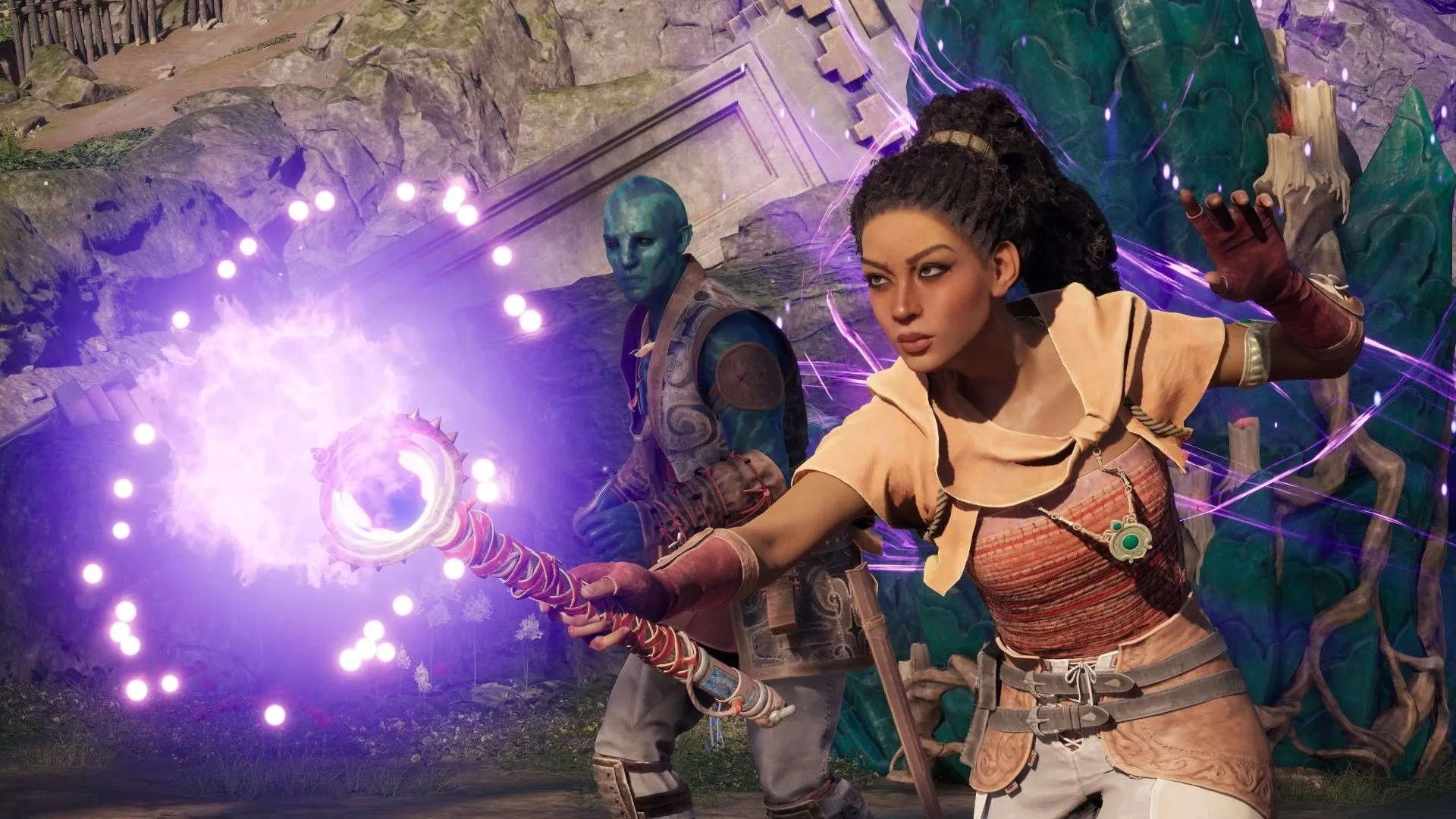
The four companions are required party members, and I understand why. Avowed wants the journey to feel like that scene in Annihilation where a small group walks into a beautiful, hostile bubble. The politics are as dangerous as the creatures, and you are not soloing a wilderness. Each companion represents a different culture within the Living Lands, so they act as counter viewpoints to your imperial mission. They ask, through their presence, why you are really here and who you should listen to.
In combat, they call out enemies on your left or right, which sounds small until a first-person game reminds you that your eyes are a narrow flashlight. I got flanked less. I also got more curious about them, which is the real trick.
From Isometric to First Person
The move from Pillars of Eternity's isometric view to first person was clearly not a copy-and-paste job. In an isometric game, the designer knows the frame. In first person, the player might look up, look down, or stare at a wall. Patel and Hansen talked about guiding attention organically, placing look-at triggers, and learning that players rarely look up unless you give them a reason. That sounds like level-design sorcery, but it is really just empathy with a camera.

In 2026, Avowed is no longer an upcoming mystery. It is a released RPG with a top critic average around 80 and a strong recommendation rate, and it has settled into its own identity. It is not an Elder Scrolls clone with a new coat of paint. It is a story-first adventure in Eora, with flexible combat, required companions who feel woven into the narrative, and a world that refuses to go gray. If you have skipped it because you missed the Pillars games, do not worry. The Living Lands will meet you where you are, then hand you a pistol and a spellbook and ask what kind of envoy you plan to be.