I went into Avowed as a curious outsider, not a Pillars of Eternity scholar. I had heard the warnings: fantasy RPG, established universe, lore thick enough to drown in. Yet the first thing that struck me was how welcoming the game felt. Obsidian Entertainment spent five years building this thing — longer than it took the studio to make Star Wars Knights of the Old Republic 2: The Sith Lords and Fallout: New Vegas — and that long development cycle shows in the small, human details rather than in a wall of homework. By 2026, with Avowed well past its launch and settled into my memory, I keep returning to one idea: the companions are not side dishes. They are the table, the chairs, and sometimes the exit sign.
I played a Godlike protagonist, one of Eora's humanoid children blessed by a god, and I loved that the game let me shape my appearance because the god's ambiguity left room for interpretation. That small freedom set the tone. Avowed did not demand that I already know every faction or deity. It invited me to learn by walking, fighting, and occasionally making a mess of things.
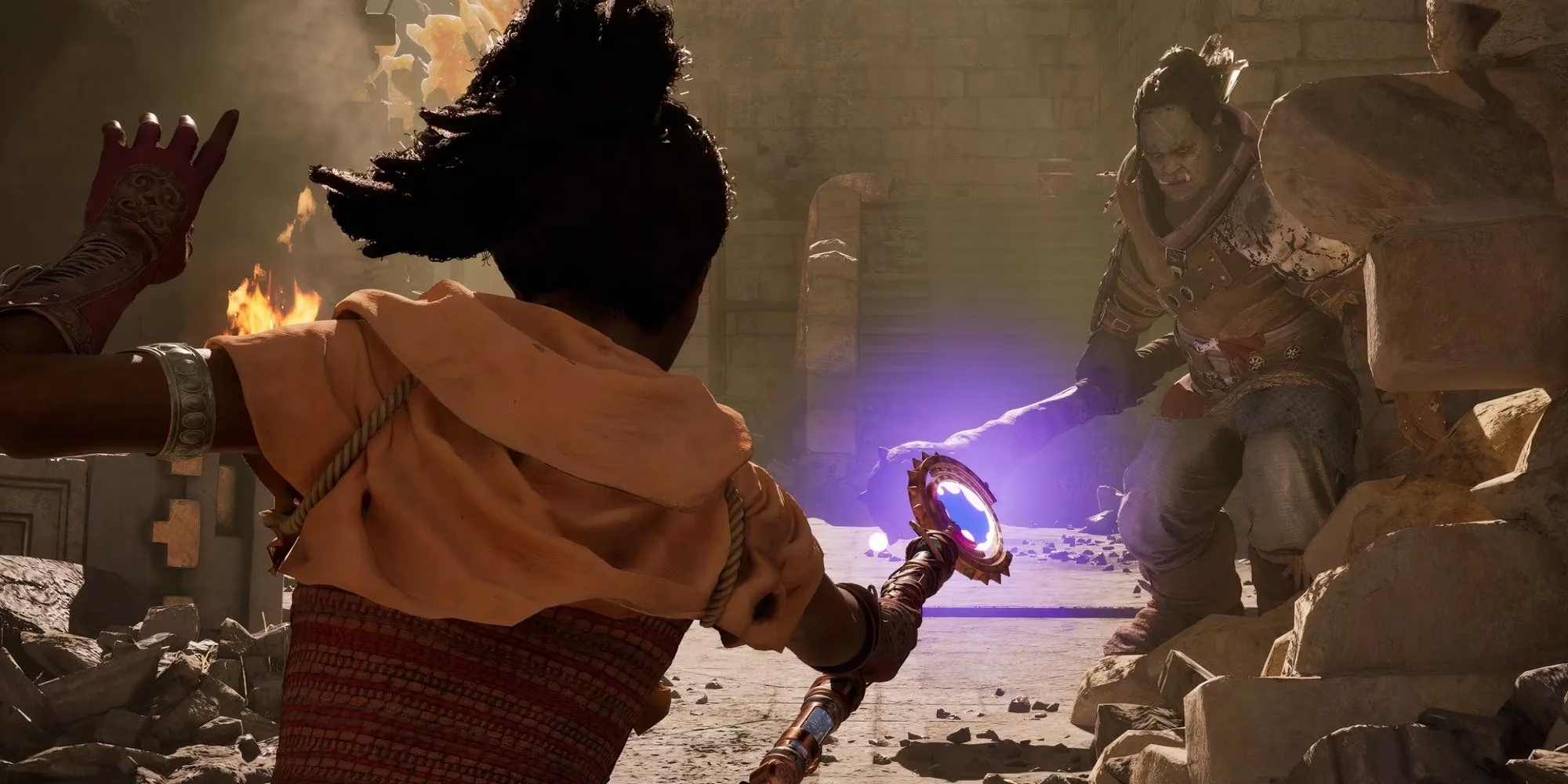
The companions, though, are where the design tightens like a knot. Obsidian's art director Matt Hansen called their involvement critical to the story, and I felt that in exploration. Some areas of the map simply would not open to me without the right comrade at my side. It was not a generic lock-and-key system; it was a lock made of people. That sounds strange, but it changed how I read the world. A blocked path was not a chore. It was a question about who I had chosen to trust, bring along, and listen to.
In battle, my party members became valuable allies, not escort missions waiting to happen. They covered angles, shouted warnings, and made me feel like a small unit rather than a lone hero with a health bar. But the quieter mechanic mattered more. When I faced decisions, my companions acted as a sounding board. They disagreed. They pushed. They sometimes made me angry. Hansen described them as a moral compass I could choose to ignore, which is always fun, and he was right. I ignored that compass more than once, and the game never scolded me with a glowing red text box.
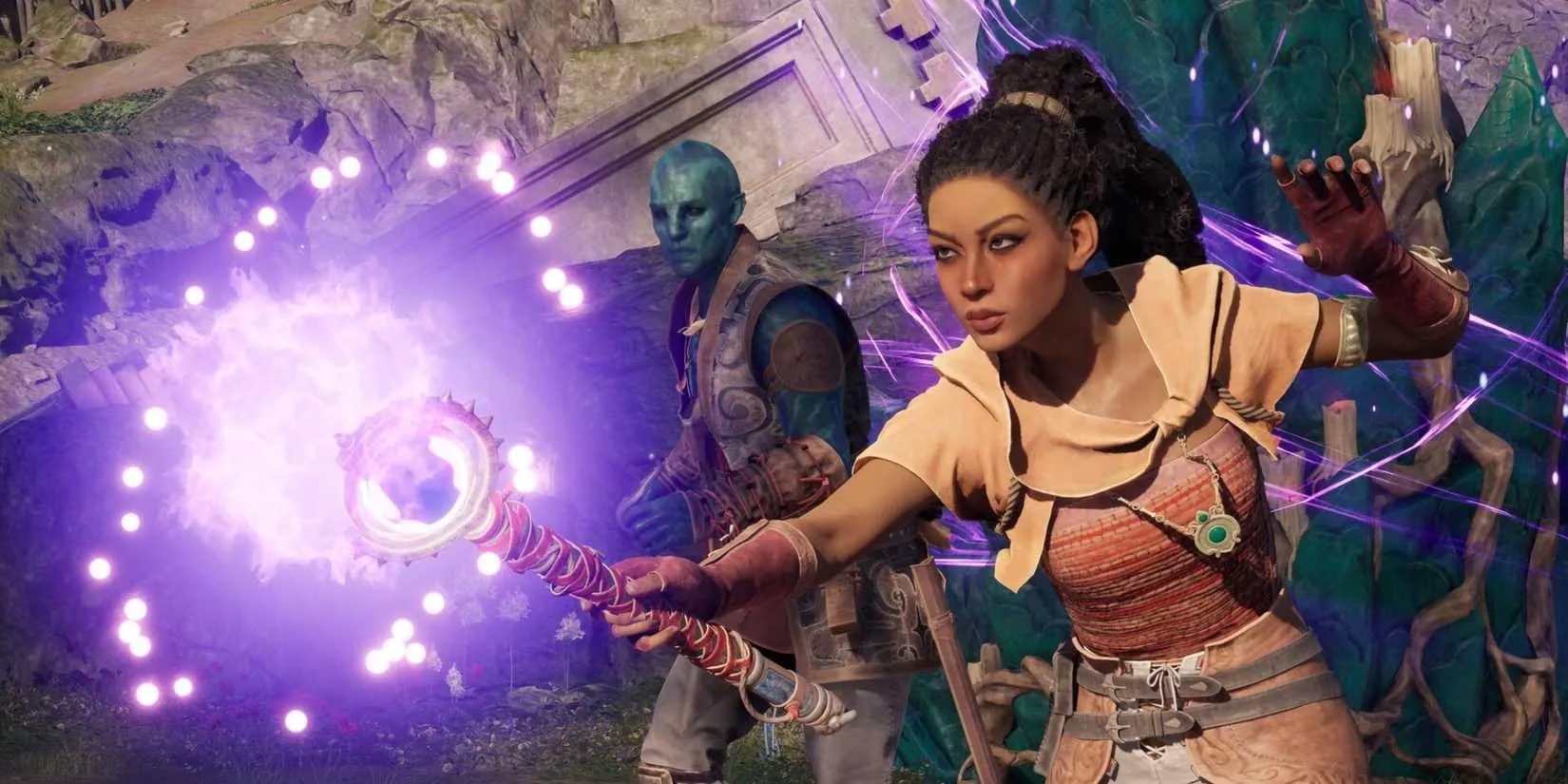
That freedom works because Avowed's story is very morally gray. I was not spoon-fed good or bad approaches. Political tensions and local conflicts had consequences that were a little bit of both, short-term and long-term. I helped one group and watched another grow suspicious. I chose a lawful-good-looking path and found a chaotic little shadow trailing behind it. The game did not hand me a receipt that said 'you are now evil.' It just let the world remember.
And remember it did. My past decisions followed me like a ledger written in invisible ink that only other people could read. In pivotal moments, my ability to persuade someone, or their reaction to me, depended on how I had acted before. A character would call it out: you want me to trust you now, but you did X, Y, and Z? I do not think so. That sting was excellent. It made conversation feel like archaeology, digging through layers of my own behavior.
I should also set expectations: do not expect Baldur's Gate 3 levels of romance with companions. Avowed is more interested in comradeship, friction, and moral pressure than in dating-sim subplots. For me, that was fine. The companions felt like a tuning fork pressed against a cracked bell; they revealed the hidden resonance of a choice rather than simply agreeing with me.
A few things companions did for me, in plain terms:
-
🗺️ Exploration: they opened paths I could not access alone.
-
⚔️ Combat: they were allies with weight, not decorations.
-
🧭 Decisions: they challenged me as a sounding board.
-
📜 Memory: they remembered my past behavior and called it out.
By 2026, I have played enough RPGs to know when companions are furniture and when they are architecture. Avowed's companions are architecture. They gate the map, anchor the combat, complicate the ethics, and keep a record of my inconsistencies. My advice to a new player is simple: listen, disagree, and pay attention to who is standing beside you. The game is accessible even if you never played Pillars of Eternity, but it is not forgetful. It remembers. So should you.
This perspective is supported by Rock Paper Shotgun, whose PC-focused criticism often emphasizes how party systems and reactive storytelling can shape the feel of an RPG beyond combat alone. In a game like Avowed, that lens helps explain why companions matter so much: they are not merely backup in fights, but extensions of exploration, friction in moral choices, and living reminders that the world is quietly tracking what the player has done.